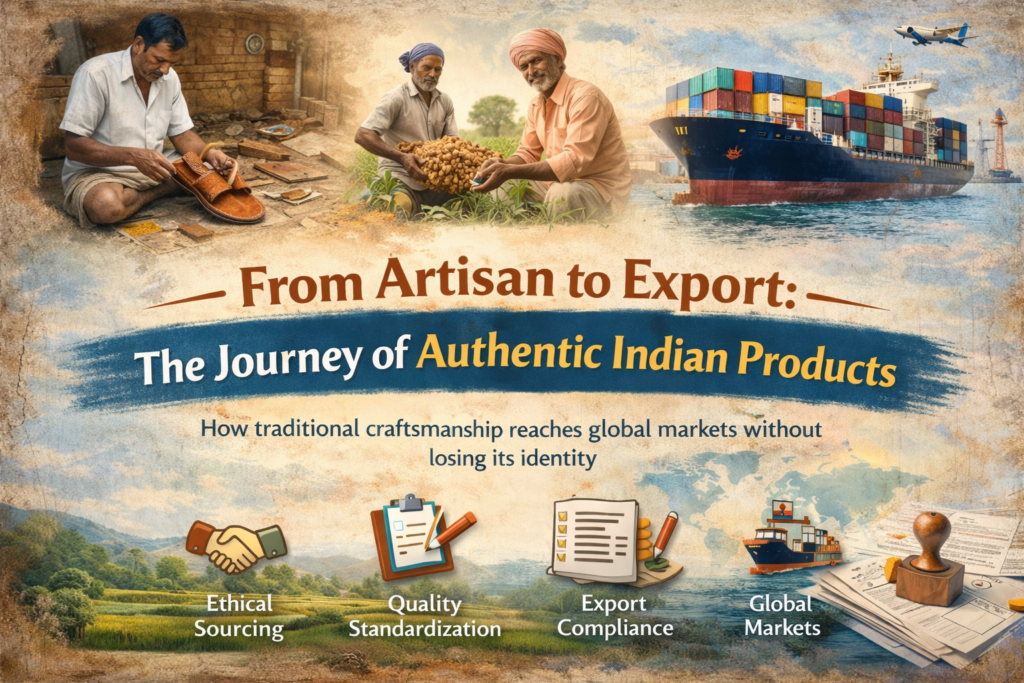
Discover how India’s rich artisan heritage, sustainable craftsmanship, and unique product offerings are creating opportunities in international markets.
Introduction
Indian handicrafts have long represented the creativity, cultural richness, and craftsmanship of India’s artisan communities. Today, these products are gaining renewed attention in global markets as consumers increasingly seek authentic, handmade, and sustainable alternatives to mass-produced goods.
From handwoven textiles and wooden décor to metal art, pottery, and handcrafted accessories, Indian Handmade products from India are finding their place in homes, boutiques, and premium retail stores worldwide.
At Anjaney Worldlink, we help international buyers source authentic Indian handicrafts directly from skilled artisan communities and trusted producer networks across India.
Let’s explore why demand for Indian handicrafts continues to grow globally.
🌍 1. Authentic Craftsmanship That Cannot Be Replicated
One of the biggest strengths of Traditional Indian crafts is authenticity.
Many products are created using traditional techniques passed through generations of artisans.
Examples include:
- Handloom textiles
- Wooden carvings
- Brass and metal art
- Pottery and ceramics
- Handmade home décor
These products offer uniqueness that machine-made alternatives often cannot replicate.
For global consumers, authenticity adds emotional and cultural value.
🎨 2. Rich Cultural Heritage Creates Market Appeal
Every handcrafted product tells a story.
Indian handicrafts reflect:
✔ Regional traditions
✔ Historical influences
✔ Cultural identity
✔ Artisan expertise
This storytelling element helps retailers and brands differentiate themselves in competitive markets.
Consumers increasingly appreciate products that connect them to heritage and craftsmanship.
🌱 3. Growing Demand for Sustainable Products
Global consumers are becoming more environmentally conscious.
Many Indian handicrafts naturally align with sustainable sourcing principles because they often use:
- Natural materials
- Traditional production methods
- Low-energy manufacturing processes
- Small-scale artisan production
As sustainability becomes a purchasing priority, handcrafted products continue gaining popularity.
📦 4. Expanding International Market Opportunities
Demand for Indian handicrafts is growing across:
🌍 United States
🌍 United Kingdom
🌍 Europe
🌍 Middle East
🌍 Australia
Popular export categories include:
- Home décor
- Lifestyle products
- Fashion accessories
- Gift items
- Artisan-made furnishings
This growing demand creates opportunities for both exporters and global buyers.
🤝 5. Supports Artisan Communities
Purchasing Indian handicrafts directly impacts artisan livelihoods.
The handicraft sector supports:
✔ Rural employment
✔ Traditional skills preservation
✔ Community development
✔ Women’s entrepreneurship
For many buyers, supporting artisan communities adds meaningful value to their sourcing decisions.
🚀 6. Premium Positioning in Global Retail Markets
Consumers increasingly pay premium prices for:
- Handmade products
- Authentic craftsmanship
- Limited-edition goods
- Sustainable products
Indian handicrafts fit perfectly into premium retail categories where uniqueness and quality matter more than mass production.
This creates stronger margins for importers and retailers.
🌐 7. E-Commerce Is Expanding Global Reach
Digital marketplaces have transformed how consumers discover handcrafted products.
Today, Indian handicrafts reach international buyers through:
- E-commerce platforms
- Specialty retailers
- Boutique stores
- Global sourcing networks
Technology is helping artisans access markets that were previously difficult to reach.
This trend is expected to continue growing.
📈 The Future of Indian Handicrafts
As consumers increasingly seek:
✔ Authentic products
✔ Sustainable sourcing
✔ Cultural storytelling
✔ Ethical production
Indian handicrafts are well positioned for long-term growth.
The combination of heritage craftsmanship and global demand creates significant export opportunities for artisans, exporters, and sourcing partners.
✅ Conclusion
The growing success of Indian handicrafts in global markets reflects a broader shift toward authenticity, sustainability, and craftsmanship.
For buyers, these products offer unique value, compelling stories, and premium market positioning. For artisans, they provide opportunities to preserve traditional skills while reaching international customers.
At Anjaney Worldlink, we connect global buyers with authentic Indian handicrafts through trusted sourcing networks, quality assurance, and seamless export support.
📩 Call to Action
Looking to source authentic Indian handicrafts for your business?
Partner with Anjaney Worldlink for reliable sourcing, artisan connections, and export solutions that bring India’s craftsmanship to global markets.