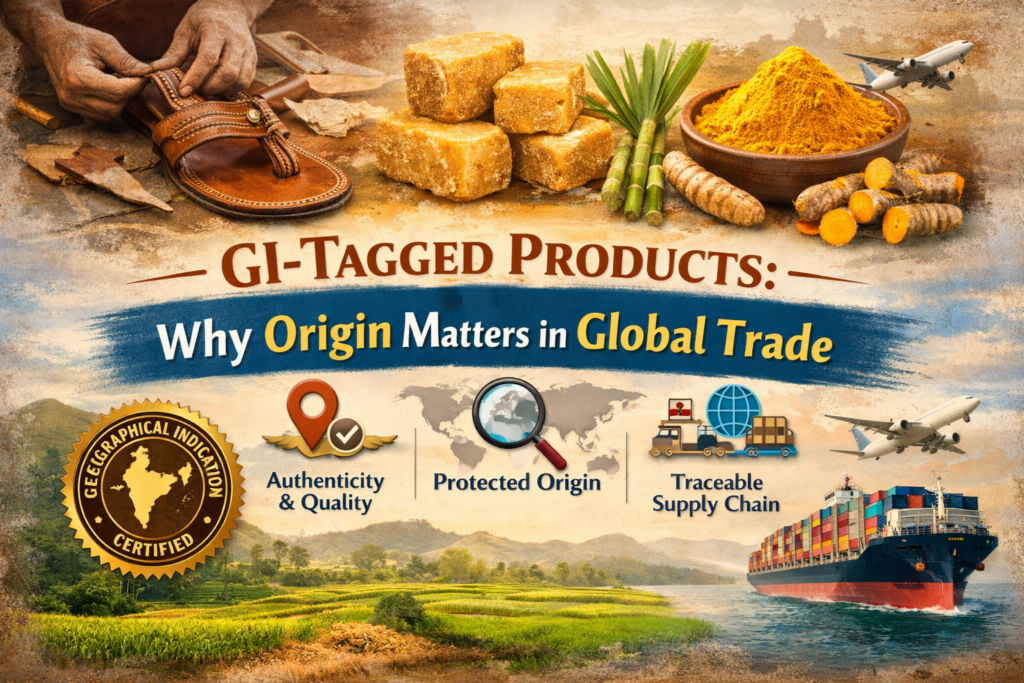
How responsible sourcing practices are helping global buyers build resilient supply chains while creating long-term value.

Introduction
Sustainable sourcing from India is becoming a key priority for global buyers seeking reliable, ethical, and future-ready supply chains. As consumers become more conscious about environmental impact, labor practices, and product origins, businesses are increasingly looking for sourcing partners that align with responsible business values.
India, with its diverse manufacturing ecosystem, artisan communities, agricultural expertise, and growing focus on sustainability, is emerging as a preferred sourcing destination for companies worldwide.
From handcrafted products and textiles to agricultural commodities and specialty goods, sustainable sourcing from India offers opportunities to combine quality, authenticity, and social responsibility.
At Anjaney Worldlink, we help international buyers connect with trusted suppliers who prioritize ethical production, transparency, and long-term sustainability.
🌱 1. Growing Consumer Demand for Sustainable Products
Today’s consumers are making more informed purchasing decisions.
Many actively seek products that are:
✔ Ethically produced
✔ Environmentally responsible
✔ Traceable to their origin
✔ Socially impactful
As demand grows, businesses that embrace sustainable sourcing gain a competitive advantage.
This shift is making sustainable sourcing from India increasingly attractive across global markets.
🌍 2. Access to Responsible Producer Networks
India is home to thousands of producers adopting responsible practices.
These include:
- Artisan cooperatives
- Sustainable farms
- Ethical manufacturers
- Women-led enterprises
By partnering with verified suppliers, global buyers can build supply chains that support both commercial success and social impact.
🤝 3. Supports Local Communities
One of the biggest benefits of sustainable sourcing from India is its positive impact on communities.
Responsible sourcing helps:
✔ Preserve traditional skills
✔ Generate rural employment
✔ Support artisan livelihoods
✔ Encourage inclusive economic growth
This creates long-term value beyond the products themselves.
🌾 4. Promotes Sustainable Agriculture
Many agricultural exporters are embracing:
- Water conservation practices
- Responsible farming methods
- Reduced chemical usage
- Soil health initiatives
These efforts help meet global expectations for environmentally responsible food production while improving long-term agricultural sustainability.
📦 5. Improved Supply Chain Transparency
Transparency is becoming a critical factor in global procurement decisions.
Buyers increasingly want visibility into:
✔ Product origins
✔ Production processes
✔ Supplier practices
✔ Compliance standards
Sustainable sourcing from India often involves greater traceability, helping businesses build trust with customers and stakeholders.
🚀 6. Strengthens Brand Reputation
Consumers, investors, and business partners increasingly evaluate companies based on their sourcing practices.
Businesses that embrace responsible sourcing often benefit from:
- Enhanced brand credibility
- Greater customer loyalty
- Improved stakeholder trust
- Better market positioning
Sustainability is no longer a trend—it is becoming a business requirement.
🌐 7. Future-Proofing Global Supply Chains
Supply chain resilience has become a major priority for organizations worldwide.
Sustainable sourcing strategies help companies:
✔ Diversify supplier networks
✔ Build stronger partnerships
✔ Reduce operational risks
✔ Improve long-term reliability
As global regulations and consumer expectations evolve, responsible sourcing will become even more important.
Why Sustainable Sourcing from India Matters
The future of international trade is increasingly connected to sustainability.
Businesses that invest in sustainable sourcing from India gain access to:
- Ethical supplier networks
- Authentic products
- Responsible production systems
- Long-term sourcing stability
These advantages support both business growth and positive social impact.
Key Industries Benefiting from Sustainable Sourcing
Some of the fastest-growing categories include:
🌿 Agricultural products
🧵 Textiles and apparel
🛍 Handicrafts and artisan goods
☕ Tea, coffee, and spices
👞 Leather and footwear products
These sectors are seeing growing demand from buyers who prioritize sustainability and transparency.
Conclusion
Sustainable sourcing from India is no longer just an ethical choice—it is becoming a strategic business decision.
As global consumers demand greater transparency, responsible production, and environmental stewardship, businesses that embrace sustainable sourcing will be better positioned for long-term success.
India’s combination of skilled producers, artisan communities, agricultural expertise, and growing sustainability initiatives makes it a valuable sourcing destination for international buyers.
At Anjaney Worldlink, we help businesses build trusted sourcing relationships that deliver quality, transparency, and sustainable growth.
📩 Call to Action
Looking for sustainable sourcing solutions from India?
Partner with Anjaney Worldlink to connect with trusted suppliers, ethical producers, and responsible sourcing networks that support long-term business success.